The Icefields Parkway Summer Drive: A Private Guide
By Kathy Hingan, Luxury Tours Canada. Publishing November 2026. Nine minutes to read.
The parkway does something to time. You leave Lake Louise after breakfast, and twenty minutes later the Trans-Canada is behind you, the road narrows to two lanes of curves, and the day has already changed shape: glaciated peaks on both sides, the Bow River running turquoise beside you, and 232 kilometres of it ahead.
Summer is when the parkway is at its fullest, and also when it is at its best. Mid-June to early September is peak season on this road, which means long daylight, wildflowers on the meadows, and pull-offs that fill by mid-morning. The drive rewards one thing above everything else, and that is an early start. Everything in this guide is written from that premise.
Where does a private Icefields Parkway summer drive stop?
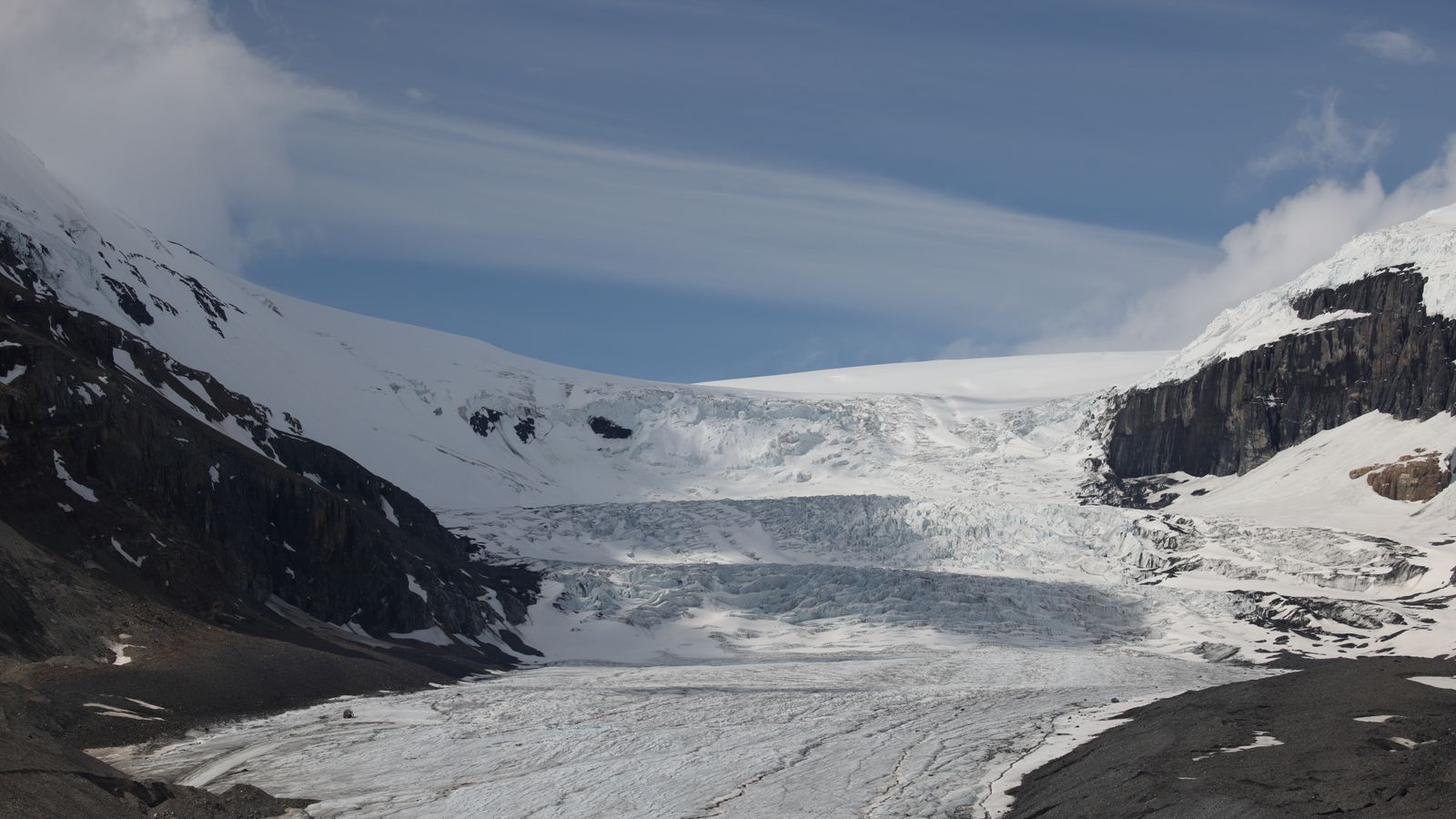
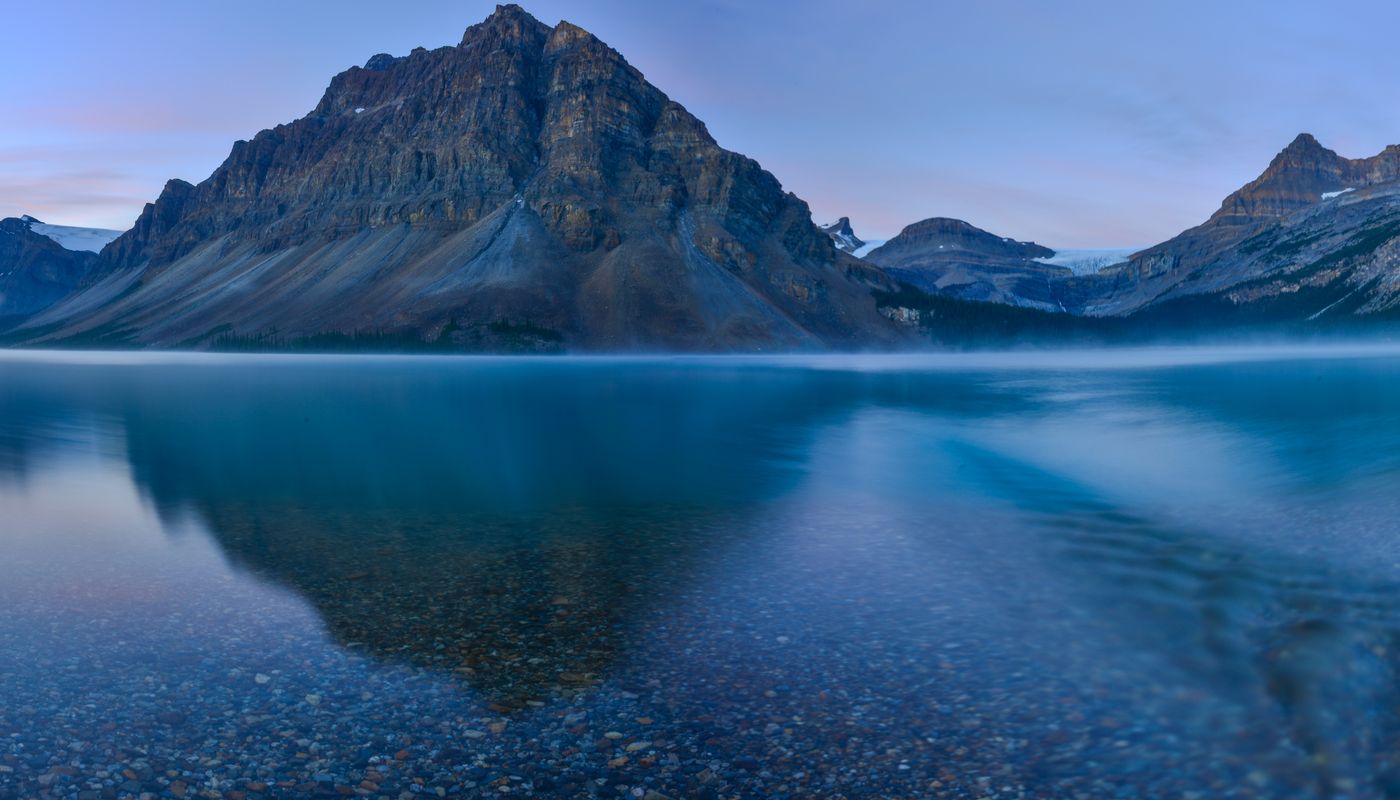
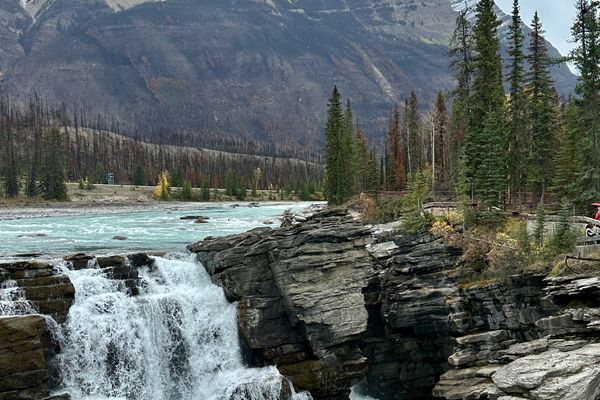
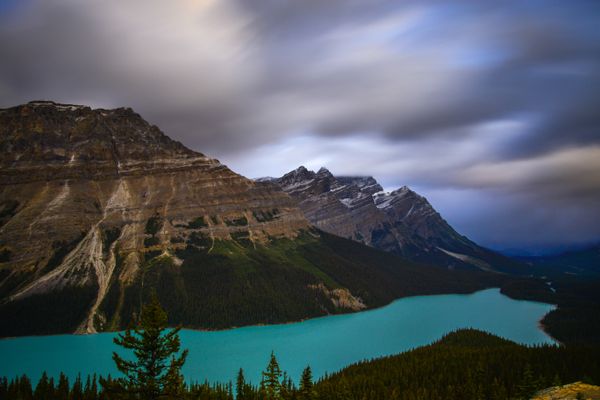
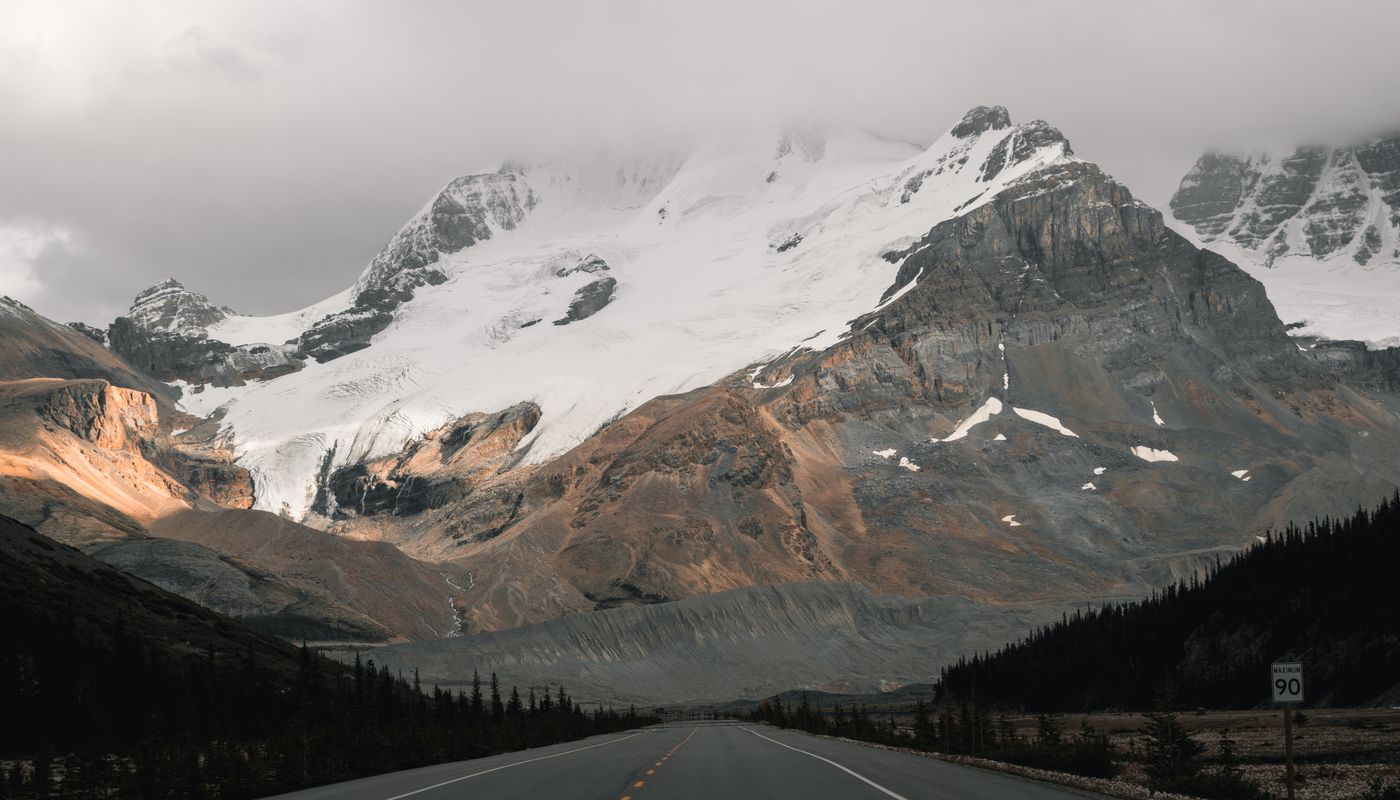
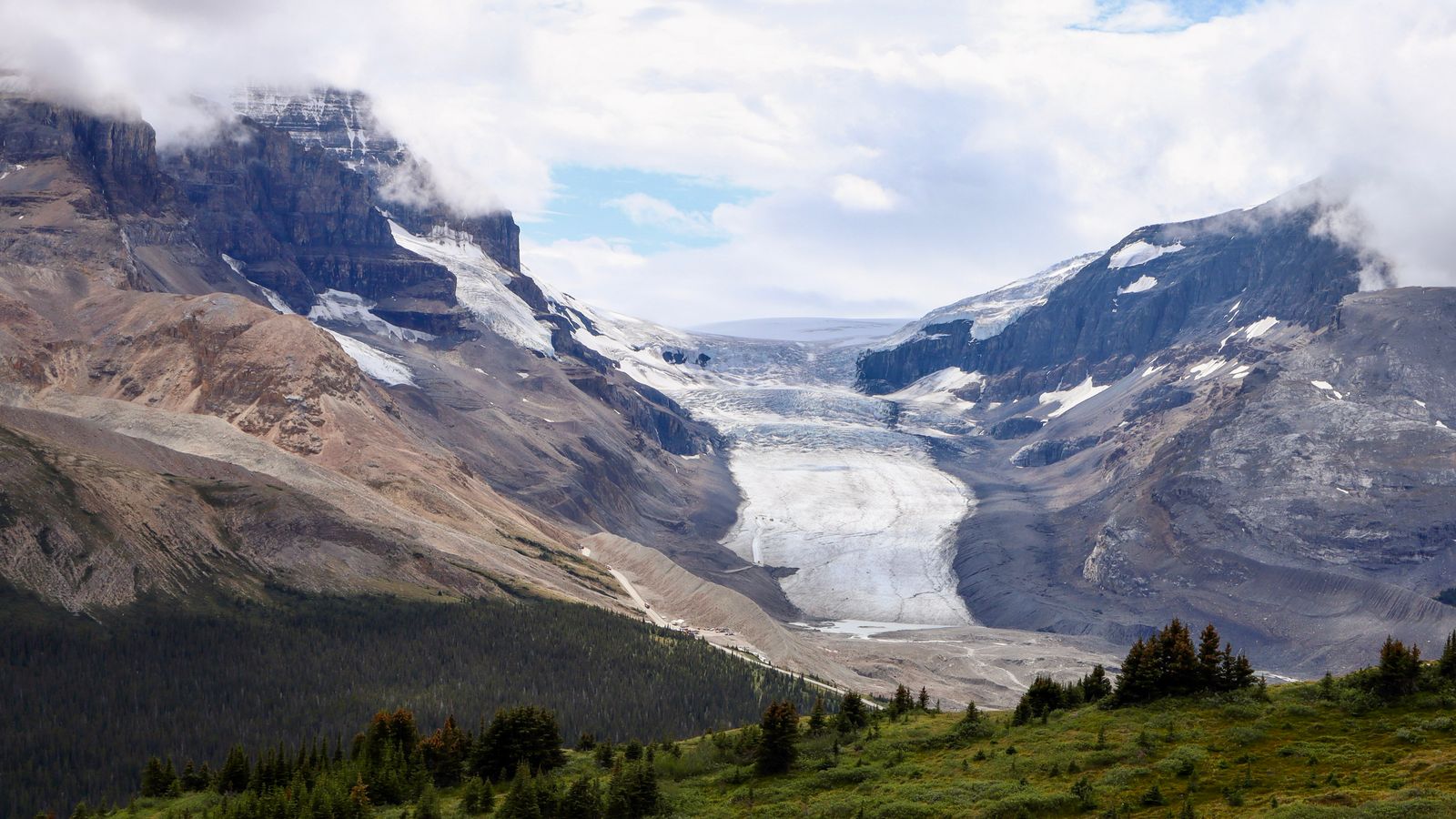
The classic stops earn their time: Athabasca Falls, Sunwapta Falls, the Goats and Glaciers viewpoint, the Columbia Icefield, Bow Lake, Crowfoot Glacier, and the short climb to the Peyto Lake viewpoint. What a private day changes is the order and the hour. We run the road in the direction that keeps the low sun behind you, reach the waterfalls and the viewpoint before the tour coaches, and hold the Icefield for late morning, when the first wave has cleared.
The road itself carries almost nothing: one fuel stop at Saskatchewan River Crossing, open with the season from early May to mid-October, and not much else between Lake Louise and Jasper. You start with a full tank, carry water, and treat the wildlife rules as absolute: bears on the roadside are watched from the car, at distance, with the engine running.
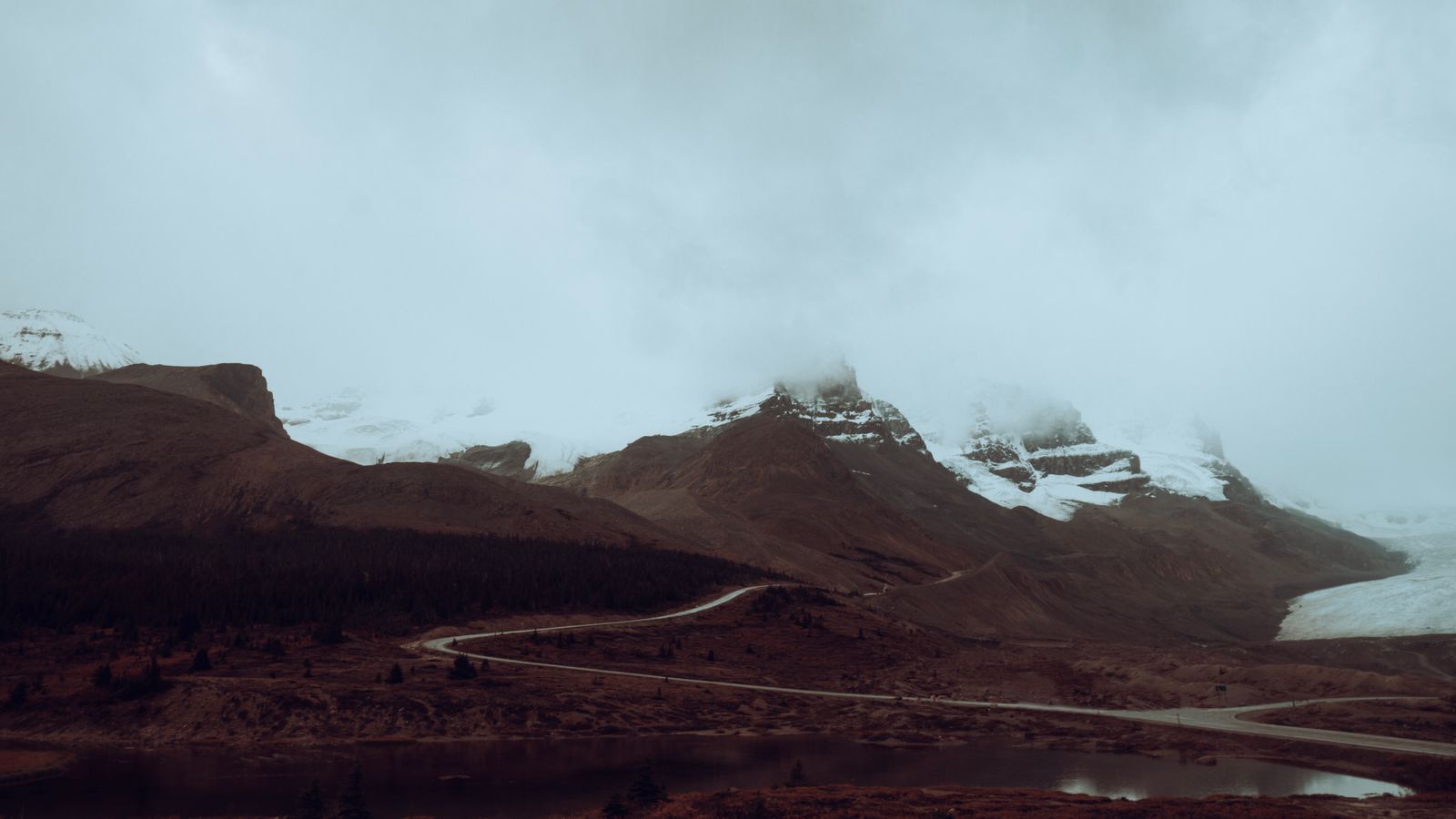
The parkway is not a transfer between two places. Run well, it is the reason the journey exists.
When to go, and what the summer actually looks like
The full summer window runs from late June to early September, with July and August the most reliable months: every viewpoint open, every service running, and daylight that runs past ten in the evening around the solstice. June is quieter but holds snow at the high viewpoints into the month. September brings thinner crowds and cooler mornings, and it is the month we would choose for the drive itself.
Two practical notes. Services on the road run with the season, so a June plan and a September plan need the fuel and food stops confirmed in advance. And the altitude is real: Lake Louise sits at about 1,600 metres, so the first day at height is designed short and gentle, exactly as on every Rockies journey we build.
One operational note worth having: road status on the parkway changes with weather in every season. We check Alberta 511 the morning of the drive, and every itinerary carries a fallback day written in advance.
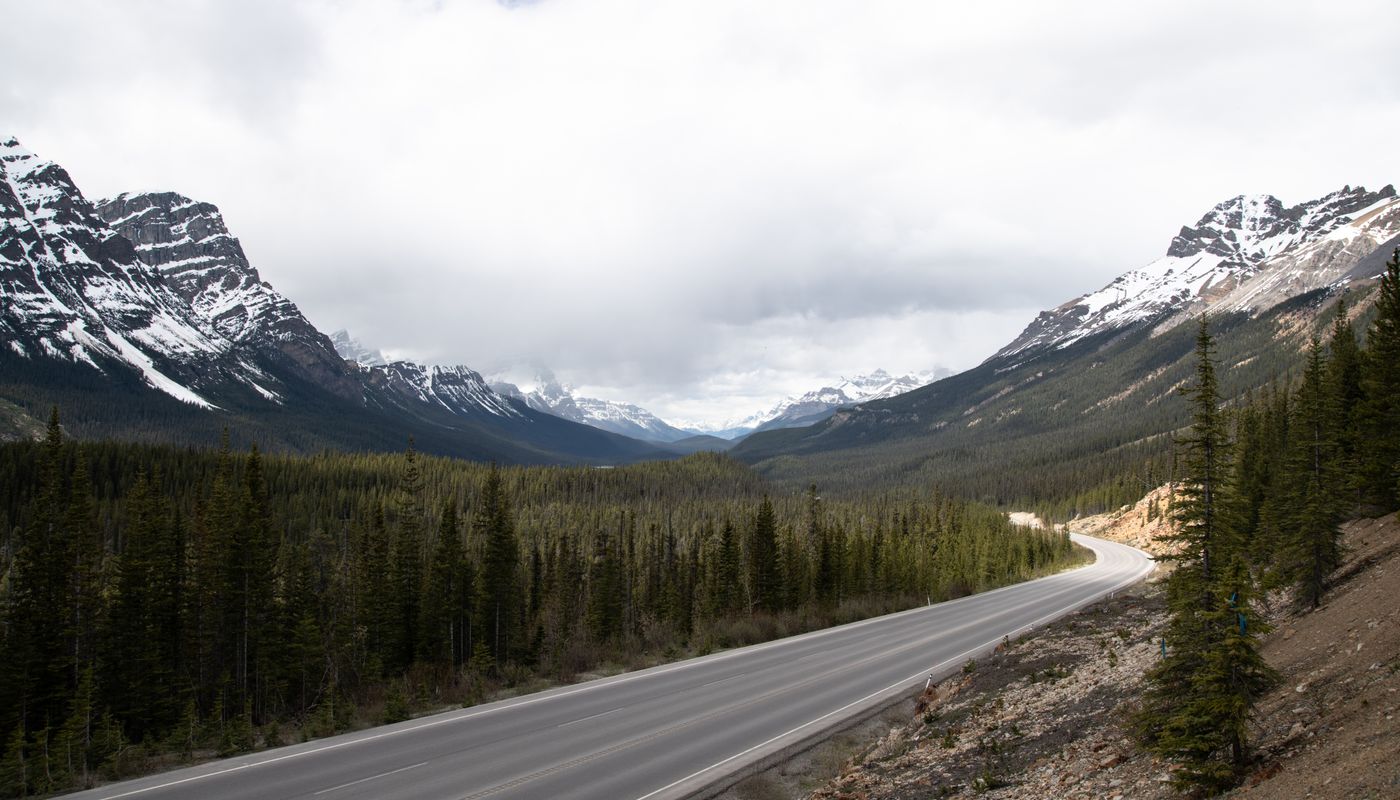
The parkway rewards the traveller who wants the road itself: an early start, four or five real stops, and no schedule to defend. The ice rides and the skywalk at the Columbia Icefield run on a season of their own, typically May to mid-October, and they are worth the hours.
No departure before half past eight, the road driven in short legs between the stops that have washrooms and level paths, and wildlife viewed from the car. Children over eight get the most from a full parkway day; younger children do better with the drive split across two days.
What a private guide changes about the summer drive
Timing, direction, and honesty about what is open. Timing gets you Peyto Lake before the mid-morning wave and the Falls while the light is still on the lip. Direction keeps the sun behind you at the viewpoints that face south. And honesty matters this year more than most: the parkway and its landmarks sit outside the area burned in the 2024 Jasper wildfire, and the road is fully open, but recovery around Jasper is still a live picture, so every journey we quote is built on the current Parks Canada status rather than last year's notes.
That is the difference between driving the road and being shown it.
Read more about the Icefields Parkway and Yoho private journey, a Jasper private tour, or our field notes on what the Banff coaches never show you.
Begin Your Journey
Tell us when you are going, and we will tell you what the road will be like.
Frequently asked questions
Is the Icefields Parkway fully open in 2026?
Yes. The road is open year round, and the parkway and its landmarks sit outside the 2024 Jasper wildfire burn area. What is seasonal is everything on it: the fuel stop and food services run from early May to mid-October, and winter travel carries tire or chain rules from November to March. In storm weather we confirm the road with Alberta 511 before setting out.
How long should a summer day on the parkway take?
The full drive needs a day in each direction, done properly. We build it as two days with a night in Jasper, reach the waterfalls and viewpoints in the quiet hours, and treat the road itself as the experience rather than the transfer between Lake Louise and Jasper.
What is still closed after the 2024 wildfire?
The parkway itself is fully open, and so are the landmarks along it. Around Jasper, Maligne Canyon and the Cavell Road with its two trails are closed for the 2026 season, while trails such as the Valley of the Five Lakes have reopened. Status changes as recovery continues, so every journey is quoted on the current Parks Canada position, stated plainly before you travel.